First Aid & Emergency Response
Workplace First Aid Compliance in South Africa: General Safety Regulations & SANS Requirements
Jan
Under the Occupational Health and Safety (OHS) Act No. 85 of 1993 and specifically General Safety Regulation 3 (First Aid, Emergency Equipment and Procedures), every South African employer is legally obligated to take all reasonably practicable steps to ensure that prompt first aid treatment is available in the event of an injury or medical emergency in the workplace.
1. Statutory Employer Obligations Under OHS Regulation 3
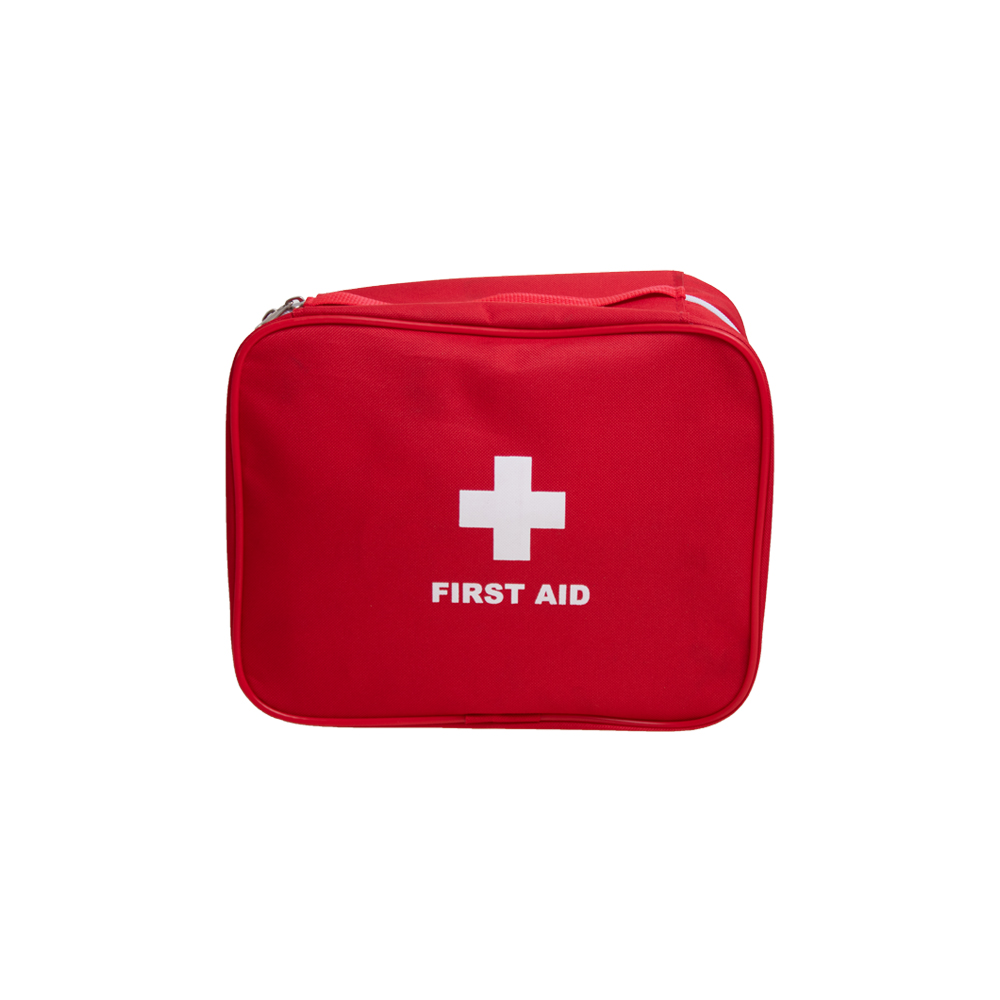
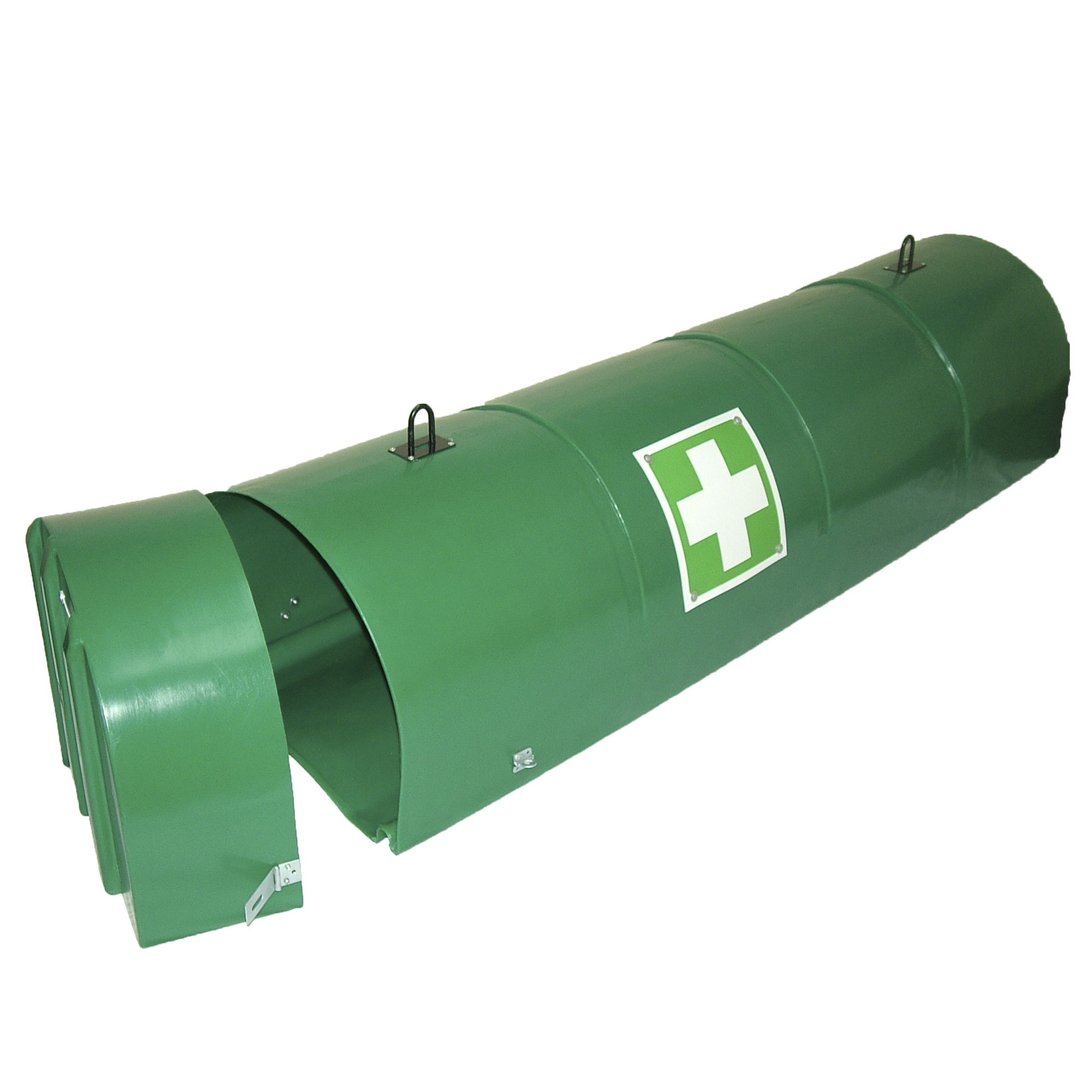
Where more than five employees are employed at a workplace, the employer must provide a suitable first aid box or boxes at or near the workplace, readily accessible to all personnel during working hours. All first aid equipment must be clearly marked with approved photoluminescent signage conformant to SANS 1186 standards.
2. Minimum Required First Aider Ratios by Workplace Risk Profile
The Department of Employment and Labour mandates specific minimum ratios of certified first aiders depending on the nature of the workplace activities and hazard levels:
| Workplace Classification | Hazard Level | Mandatory First Aider Ratio | Required Certification |
|---|---|---|---|
| Offices, Administration & Retail | Low Risk | 1 First Aider per 100 employees | First Aid Level 1 / Basic Life Support |
| Warehousing, Light Manufacturing & Hospitality | Medium Risk | 1 First Aider per 50 employees | First Aid Level 1 or 2 |
| Construction, Chemical Processing, Mining & Heavy Engineering | High Risk | 1 First Aider per 20 employees | First Aid Level 2 or 3 / Emergency First Responder |
3. Regulation 3 Annexure: Mandatory First Aid Kit Contents Checklist
Every standard workplace first aid kit (Reg 3 / Kit A, B, or C) must contain at least the following sterile and compliant components at all times:
- Wound Cleansing & Irrigation: 100 ml Antiseptic wound cleaner or sterile saline solution.
- Sterile Gauze Swabs: At least 100 sterile gauze swabs (75 mm × 75 mm, minimum 8-ply).
- Medical Forceps & Bandage Scissors: 1 pair of stainless steel dressing forceps and 1 pair of stainless steel surgical bandage shears (16 cm).
- Safety Pins: 1 pack of 12 safety pins for securing bandages and slings.
- Triangular Bandages: At least 4 non-woven calico triangular bandages (90 cm × 90 cm × 127 cm).
- Conforming & Crepe Roller Bandages: Minimum of 4 × 75 mm and 4 × 100 mm conforming bandages for limb dressing and pressure application.
- Sterile First Aid Dressings: No. 3 (75 mm × 100 mm) and No. 5 (150 mm × 200 mm) pressure wound pads.
- Adhesive Plasters & Surgical Tape: Assorted sterile fabric adhesive plasters (pack of 20) and 1 roll of hypoallergenic surgical adhesive tape (25 mm × 3 m).
- CPR Resuscitation Barriers: At least 2 CPR mouth-to-mouth resuscitation face shields with unidirectional bacterial filters.
- Protective Examination Gloves: Minimum of 2 pairs of medium and 2 pairs of large medical-grade nitrile or latex examination gloves.
- Emergency Rescue Blanket: 1 aluminised space blanket (140 cm × 210 cm) for shock management and hypothermia prevention.
- Splinting Device: At least 2 straight wooden or malleable aluminium foam (SAM) splints.
4. Placement, Signage and Inspection Protocols
First aid containers must be manufactured from durable, non-corrosive, moisture-resistant material (metal cabinet or heavy-duty polypropylene case) and mounted at a reachable height between 1.2 m and 1.5 m from floor level.
A designated First Aid Officer or Health & Safety Representative must perform and document a monthly inspection audit to verify that seal integrity is intact, sterile packaging is undamaged, and all components remain well within their certified expiry dates.