PPE & Occupational Safety
Selecting Occupational PPE: Respiratory Protection, Nitrile Gloves, and Hazard Ratings
Mar
Personal Protective Equipment (PPE) represents the crucial last line of defence in the workplace hierarchy of hazard controls. Under South African Regulations for Hazardous Chemical Agents (2021) and Hazardous Biological Agents Regulations, employers must provide certified PPE aligned with the specific risks identified in their workplace risk assessments.
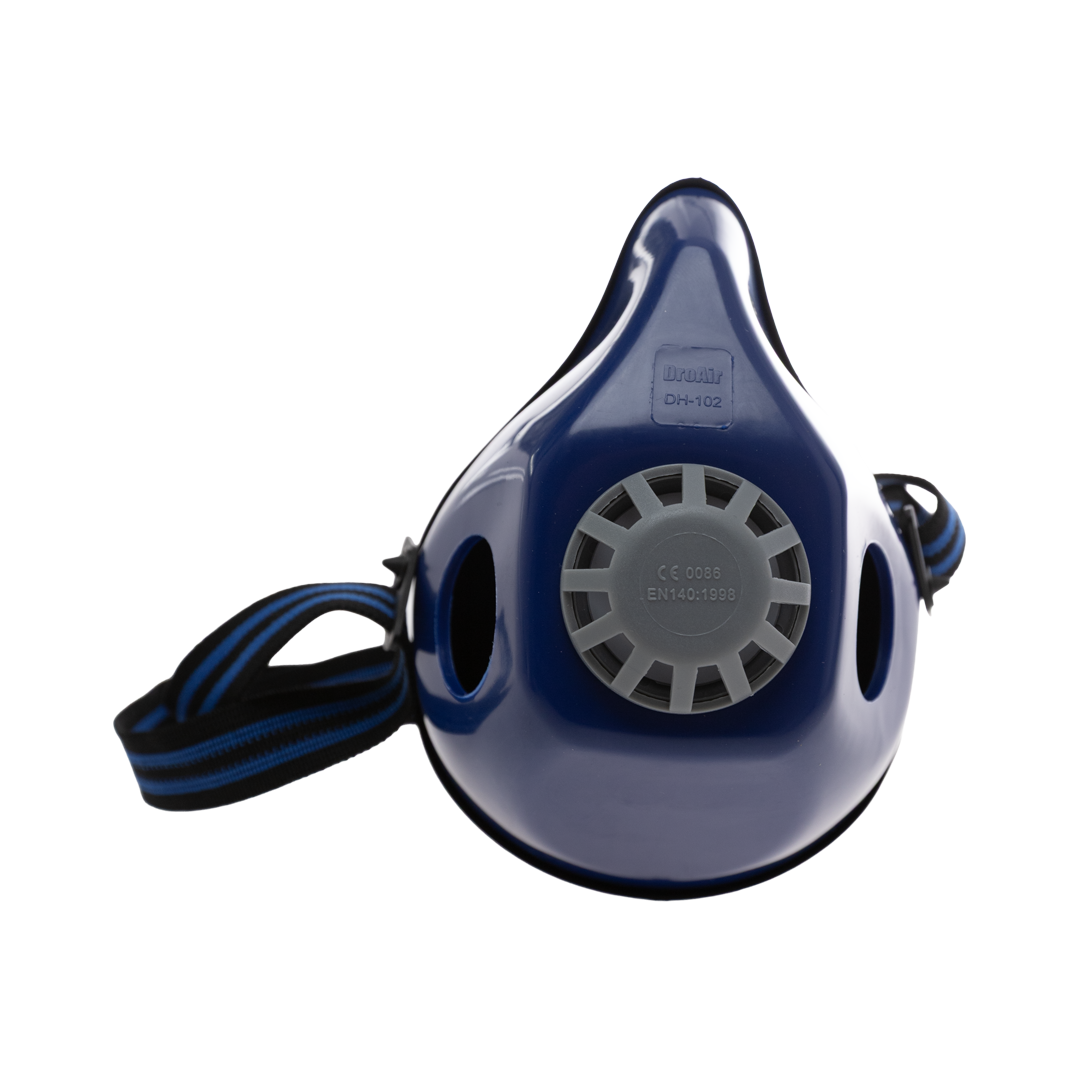
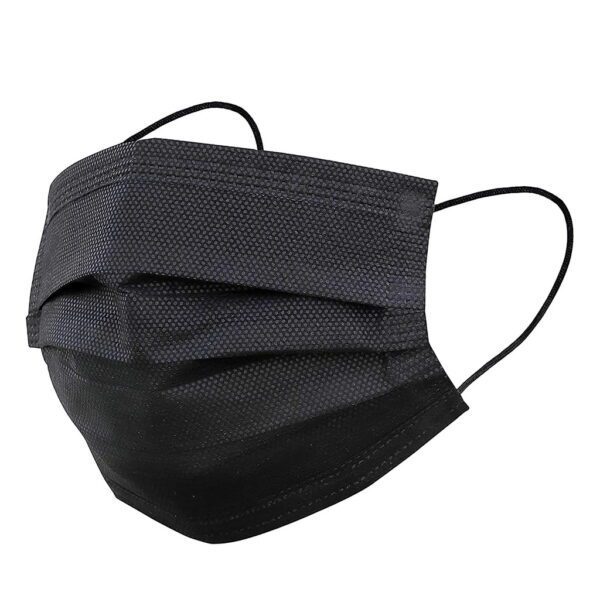
1. Respiratory Protection: Understanding FFP1, FFP2, and FFP3 Standards
Filtering Facepiece (FFP) particulate respirators are rated according to their European (EN 149:2001+A1:2009) and South African (SANS 50149) filtration efficiency ratings:
| Respirator Class | Minimum Filtration (0.3 µm) | Max Inward Leakage | Assigned Applications |
|---|---|---|---|
| FFP1 / Dust Mask | 80% | 22% | Non-toxic nuisance dusts (woodworking, mining gravel, grain handling) |
| FFP2 / N95 Equivalent | 94% | 8% | Aerosol-transmitted pathogens (TB, influenza, COVID-19), fine silica, welding fumes |
| FFP3 / N99 Equivalent | 99% | 2% | Asbestos remediation, cytotoxic drug compounding, viral aerosol-generating procedures (AGPs) |
2. Medical Examination vs Industrial Gloves: Material Comparison
Selecting the appropriate glove polymer is critical for ensuring chemical barrier integrity and preventing dermal contact:
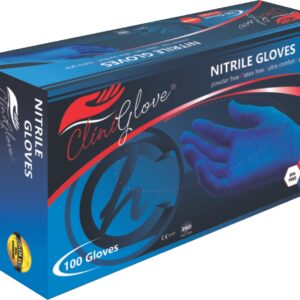
- Medical-Grade Nitrile Gloves (NBR): 100% latex-free, superior puncture and abrasion resistance, high resistance to oils, greases, glutaraldehyde, and petroleum derivatives. The gold standard for clinical examination and chemical handling.
- Natural Rubber Latex: High elasticity and tactile sensitivity; however, carries significant risk of Type I hypersensitivity (latex allergy) and poor resistance to oils and solvents.
- Vinyl Gloves (PVC): Cost-effective option for low-risk, short-duration tasks (food prep, light cleaning); prone to micropunctures and poor chemical barrier protection.
3. Proper Sequence for Donning and Doffing PPE
To eliminate cross-contamination during removal, staff must adhere to the standard inverted peel technique:
- Donning Sequence: Perform Hand Hygiene → Don Gown / Apron → Fit Respirator / Mask (perform user seal check) → Eye / Face Protection → Examination Gloves (extend over gown cuffs).
- Doffing Sequence: Remove Gloves (glove-in-glove technique) → Remove Face Shield / Goggles (touch only straps) → Remove Gown (roll inside-out) → Doff Respirator (touch back straps only) → Perform Immediate Hand Hygiene.